
 Steam
Dicey Dungeons
89 % 11,901 reviews ≈ 238 k–714 k
IndieStrategy€14.79
 impstash.
 A WORLD IN YOUR HEAD. A GAME TAKING SHAPE.
Paste your references (Steam, YouTube, TikTok…), brainstorm with Claude from them, then keep the idea you pick as a task and brief for you, your team or your coding agent (MCP).

Roll. Lock. Take your chance.
The starting ideaDicey Dungeons · Slice & Dice
Two references to compare.
Dicey Dungeons89 %11,901 reviews€14.79Dice values turned into decisions: study equipment constraints.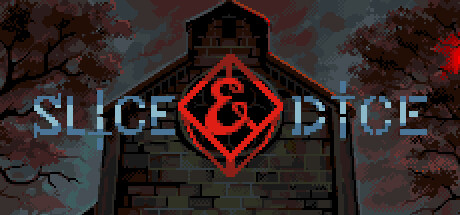 Slice & Dice97 %2,593 reviews€8.79Visible enemy intents: compare risk, rerolls and dice teamwork.
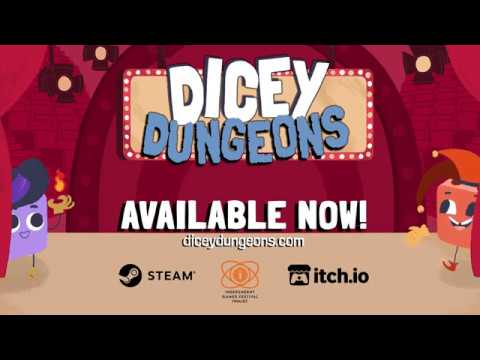
 Dicey Dungeons — Launch TrailerWatch how readable combat is, its pacing, and how equipment is presented.
 You Need To Play Dicey Dungeons — Snoman GamingNotice what the comment reveals about the joy of choosing; verify it in the video.
 SteamYouTube
 TikTok
 Pinterest
 X
 Instagram
 ArtStation
 itch.io
 Reddit
Paste a Steam link: reviews, percentage of positive reviews, estimated player count, price and genres appear on the card. You compare your references with numbers, not gut feeling.
SteamSteamSteam data as of October 2026. The player count is an estimate, not an official figure.
Good ideas rarely meet in separate tabs.
Here, everything can talk back.
Steam games, videos, images, links, notes. Bring together a mood, a mechanic and an intention: your direction becomes clearer.
Capture an idea out loud or in a few words. Find it in your project, then select your references to explore and compare directions with Claude.
The chosen idea becomes a task with its context. Your partner, studio or agents find the brief, versions and next action.
Drop a reference on the board. Place it next to a note, a sketch, or a mechanic. Everything starts to echo each other.
A rhythm, a staging, a mechanic to watch. Find the video on your board and play it from its card.
Gather my referencesYouTubeCheck the cost and readability of a reroll.
Previews depend on the public information available. The link remains a reference, even when its preview is limited.
Four projects imagined for the example. Each starts from a few references and a selected direction.
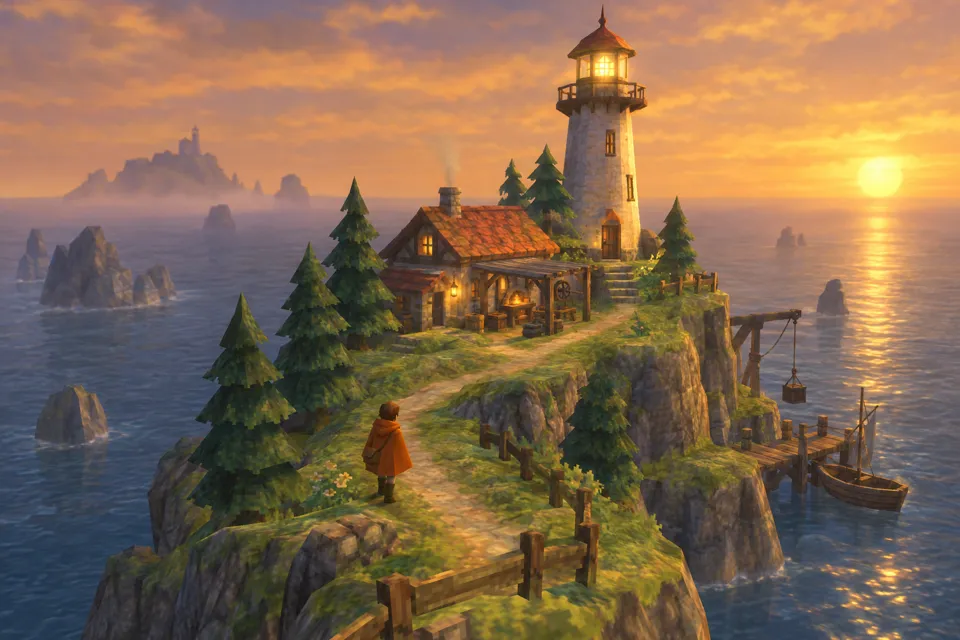 Cozy adventure
Relight a lighthouse, one island per season.
 Chosen directionEach island reveals a different season.
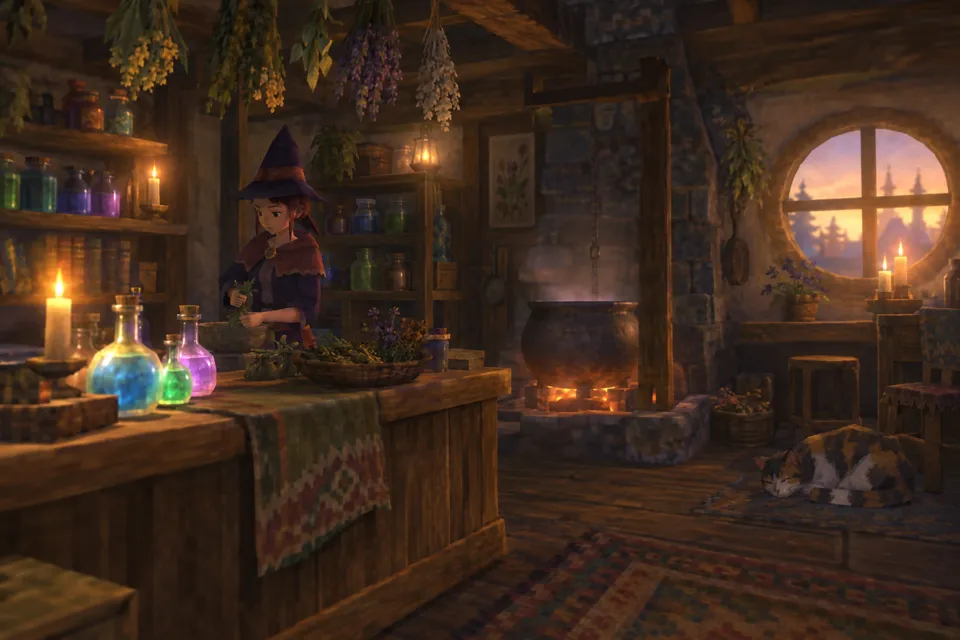 Cozy management
Run a witch's herbalist shop.
Chosen directionCustomers come back with side effects. Rhythm platformer
Deliver the city by leaping from rooftop to rooftop.
Chosen directionEach jump lands on a beat of the music.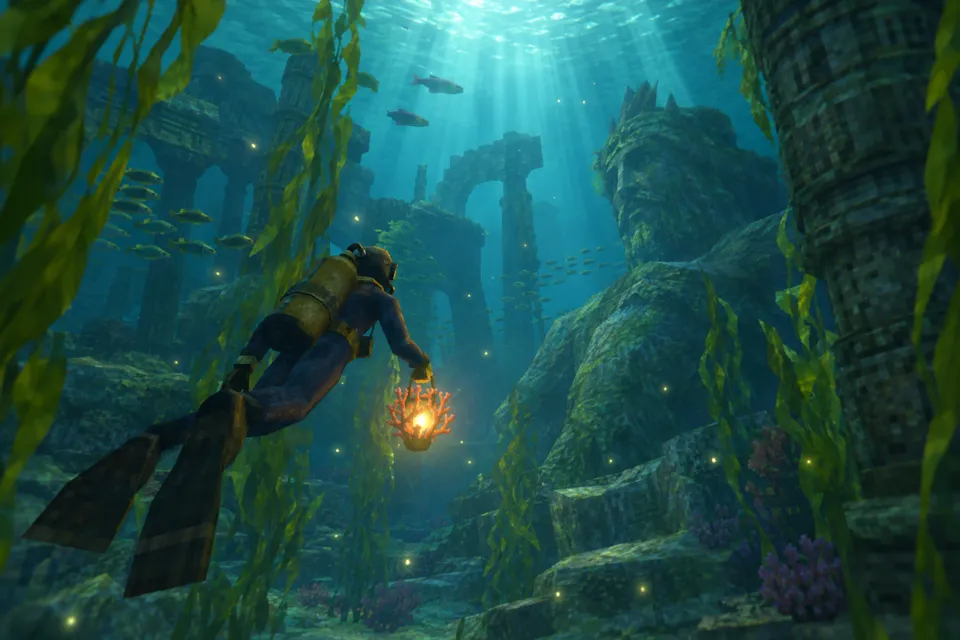 Narrative exploration
Descend, light the way, remember.
Chosen directionThe lantern reveals the memories of the ruins.Fictional projects and illustrations, created to showcase Impstash.
No need to start from a blank page. Your references, intentions and constraints give your thinking a starting point.
Select several ideas, notes, images and links together. Claude cross-references this context to explore mechanics, refine your pitch, or prepare a visual direction.
Select images, notes and links. Add a direction if you like, click “Create image” and find the OpenAI result on the board.
 Your references steer OpenAI
The idea now has a face.
Take your selection's context into Claude or ChatGPT. For compatible agents, MCP gives access to the project and tasks within your permissions.
Claude reads the captions and adds 2 to 8 timestamped key points next to the video. 1 credit.
Pitch, pillars, tone, audience, constraints: Claude and your MCP agents read them before answering.
Team votes, ideas kept or discarded: the direction is decided together.
The board syncs in real time and everyone sees who is present.
Mention a teammate, then see what changed in the activity feed.
Each task keeps its versions and review feedback: accept or ask for a redo.
An agent submits its deliverable with a note and links: it goes to review, then reads your feedback.
Free read access from Discovery; write access with Creator and Studio, within your permissions.
Your inspiration becomes a direction. Your direction becomes a next action.

Find your first direction.
A playground for your next idea.
Given once to get started.
Go from idea to prototype.
Stay on track. Build the game you have in mind.
One subscription for the whole team: your guests pay nothing.

One shared direction. A studio that keeps moving.
A shared workspace for six. A vision that stays consistent.
One subscription for the whole team: your guests pay nothing.
1 Claude question = 1 credit · 1 audio minute = 1 credit · 1 image = 8 credits · an image with references = 12 credits.
Your guests pay nothing to edit your projects; their own projects follow their personal plan. Readers are unlimited and never take an editor seat.
Cards are the board's notes, links, images and text. Lines, arrows and frames don't count. Nothing is deleted when you reach the limit: you can still edit existing cards.
Included credits renew each month, even on annual plans, and don't roll over. Optional top-ups of 200 credits for €7 and 500 credits for €17 are for subscribers and valid for 12 months. No overages are charged automatically.
The 14-day trial includes 150 credits in total. When it ends, you return to the free plan with no charge and no content deleted.
The editor count applies per project, you included: Creator allows 3 (you + 2), Studio 6 (you + 5). Across all your projects, Creator accepts up to 4 different guest editors, Studio up to 10. Credits are shared, with a daily cap for each guest.
You can still use your personal assistants by copying the context. Their Claude or ChatGPT subscription is separate from your Impstash plan.
You can cancel from Plan & credits. The subscription stays active until the end of the paid period, then renewal stops. Your projects and your references remain accessible.

For video game creators, solo devs, and small studios. Moodboards, brainstorms, decisions, and tasks live together in one shared workshop. The same tools can also serve other creative projects.
You choose several items to send: ideas, notes, images and information available from your links. Claude starts from this selection to compare directions or suggest mechanics. For an image, select your references, add an optional direction and click "Create image": OpenAI uses this context and places the result on the board. Claude does not automatically watch videos from your references.
You can add Steam, YouTube, TikTok, Pinterest, Twitter / X, Instagram, ArtStation, itch.io, Reddit links and any other web page. The board keeps the source and displays the public information retrieved, with a player for recognized YouTube and TikTok videos. Private content or site restrictions may limit the preview; the link is still kept.
Claude supports the thinking inside the app; images are generated via OpenAI's API, when these services are enabled. You can also copy your references' context to continue in your personal Claude or ChatGPT. Impstash does not automatically connect your personal subscriptions.
Yes. The board syncs across project members. Ideas can be voted on, tasks assigned, and versions reviewed. Compatible agents connect via MCP and a personal token, within the permissions you grant them.
Discovery includes one solo project, 50 cards and 40 welcome credits, with free MCP read access for your coding agents. New verified accounts get 14 days of Creator with 150 credits total, no card needed. Creator costs €15 incl. tax per month or €150 incl. tax per year: 3 projects, 3 editors per project (you included) and 400 monthly credits. Studio costs €49 incl. tax per month or €490 incl. tax per year: 10 projects, 6 editors per project and 1,400 monthly credits. The owner pays; guests pay nothing to edit. Tasks and guest readers (unlimited) are included in every plan.
Your board, references and notes remain accessible. Welcome and trial credits are a one-time gift. Creator and Studio's included credits renew monthly, even on annual plans, and don't roll over. Subscribers can buy an optional top-up, valid for 12 months. You can always copy your context to your personal assistant. No overages are charged automatically.
Connect Claude Code, Cursor or any MCP client to Impstash: the agent reads the project direction, kept ideas and tasks before it codes your prototype.
Read the guideA brainstorming method for indie games: cross-reference references, let AI scatter ideas, and choose a mechanic to prototype.
Read the guideFive quick checks before you write code: a clear bet, close games, a Steam signal read with caution, a minimal test and a decision.
Read the guideSMALL STUDIO. BIG POSSIBILITIES.One idea is enough to open the workshop.
Start for free Solo, in a team, with your agents. Your way.